Centrality and Dispersion
YEAR
2023
LOCATION
Triesenberg
INSTITUTION
Verein ELF
Dispersion is a form of order, not its absence.
Atelier Gapont runs Verein ELF as a laboratory for transformative urbanism — urbanism conceived as the cultivation of public realms in which a place's future is imagined together with the people who live there. Each year focuses on a different geography and constitutes one iteration of the experiment.

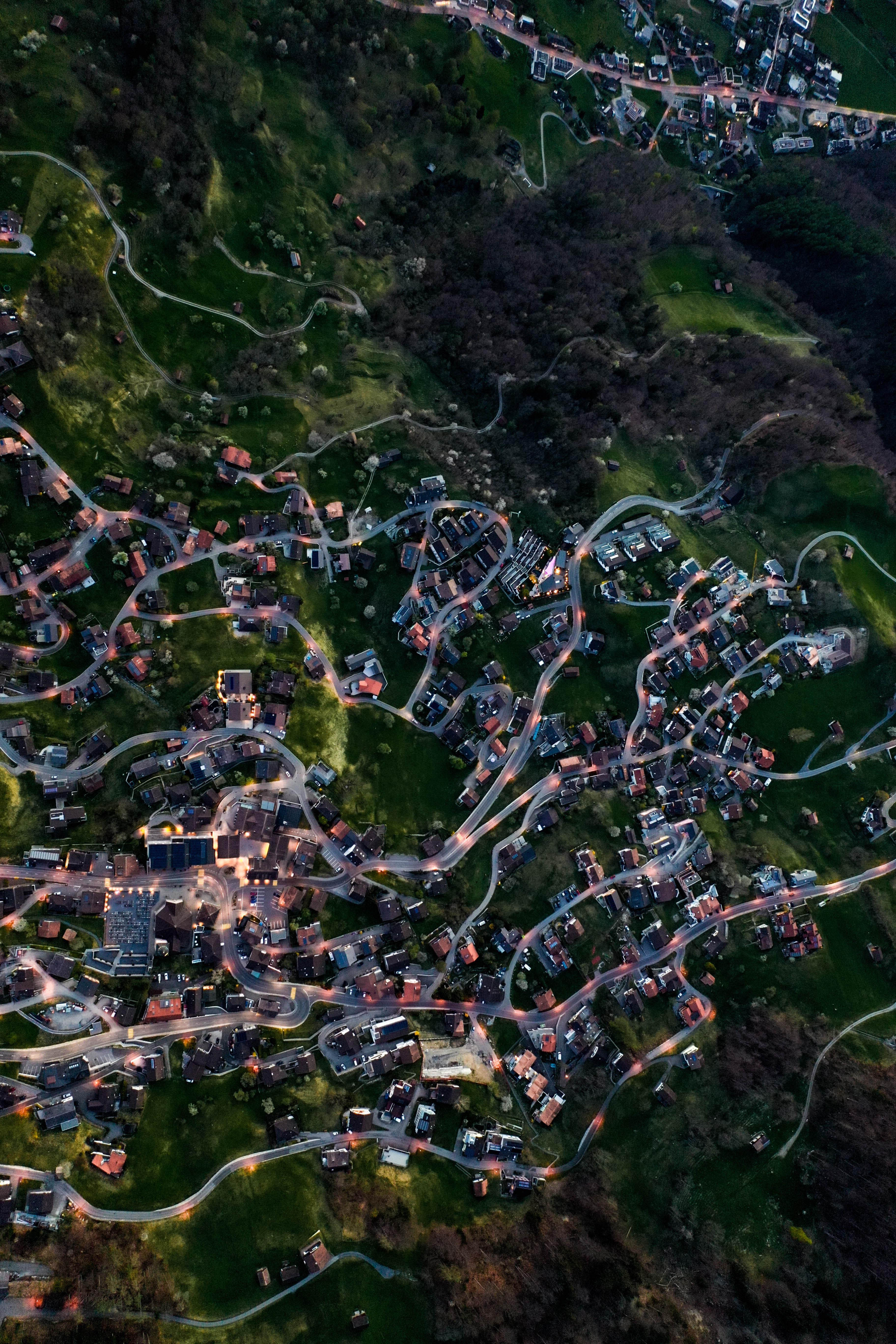
Triesenberg was the fifth, and the project's first mountain municipality — a Walser community organised since its settlement as a Streusiedlung: a dispersion of weilers and hamlets rather than a single dense core. The municipality also holds Malbun, the country's only ski area.
The year's frame, Zentralität und Streuung — centrality and dispersion — opened a different question than the valley villages had: not what a centre should be, but what holds a place together when the place was never built around one.
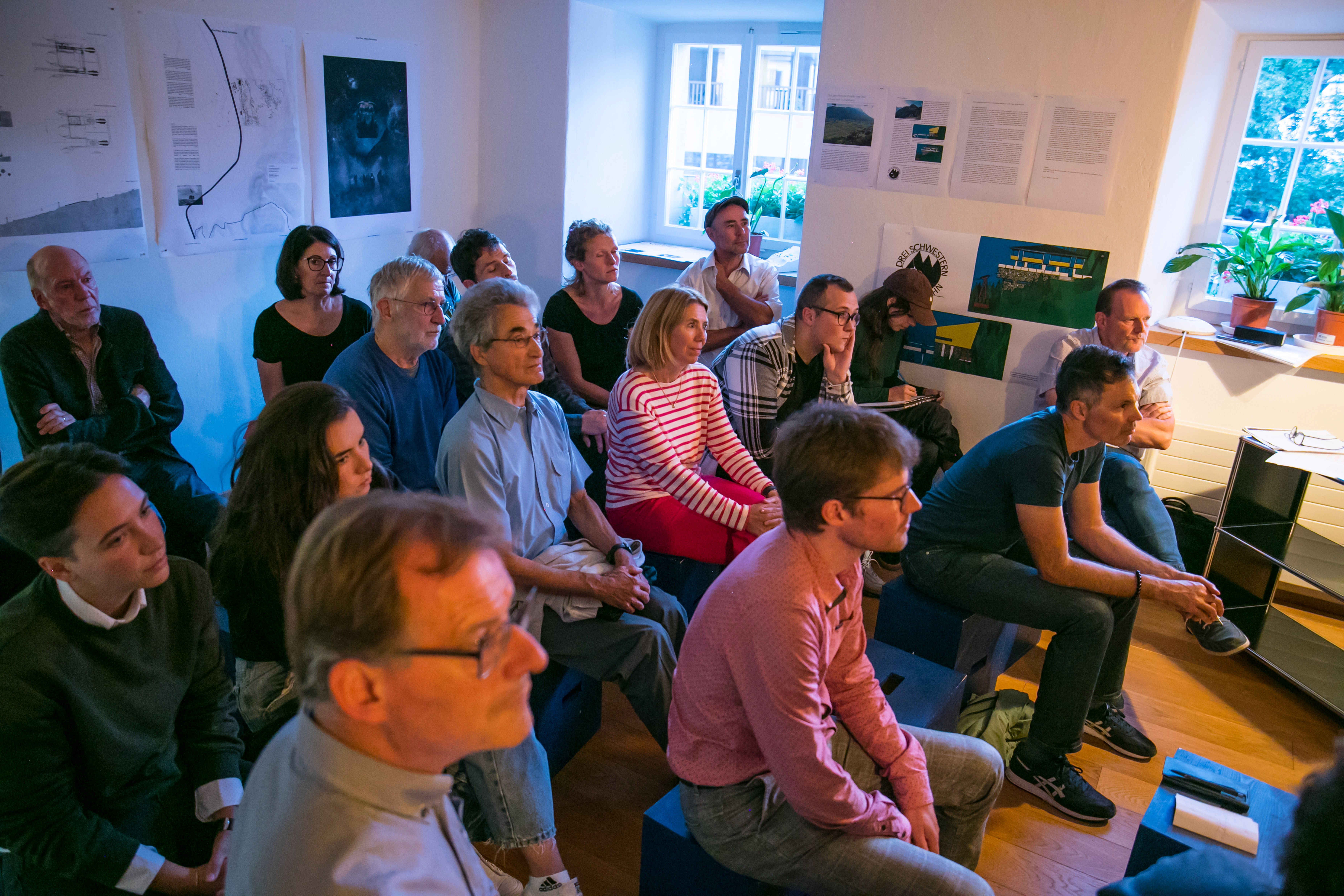
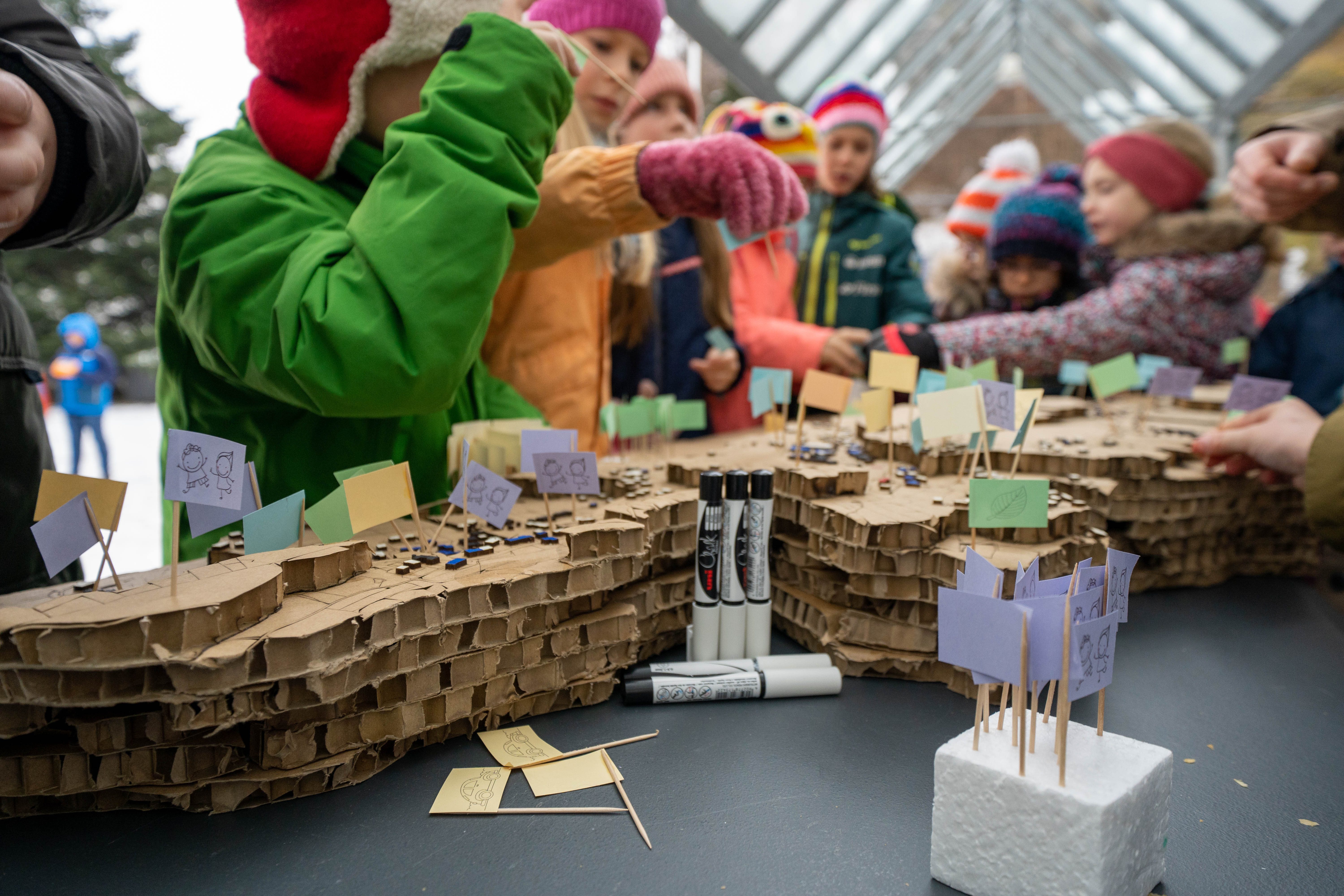
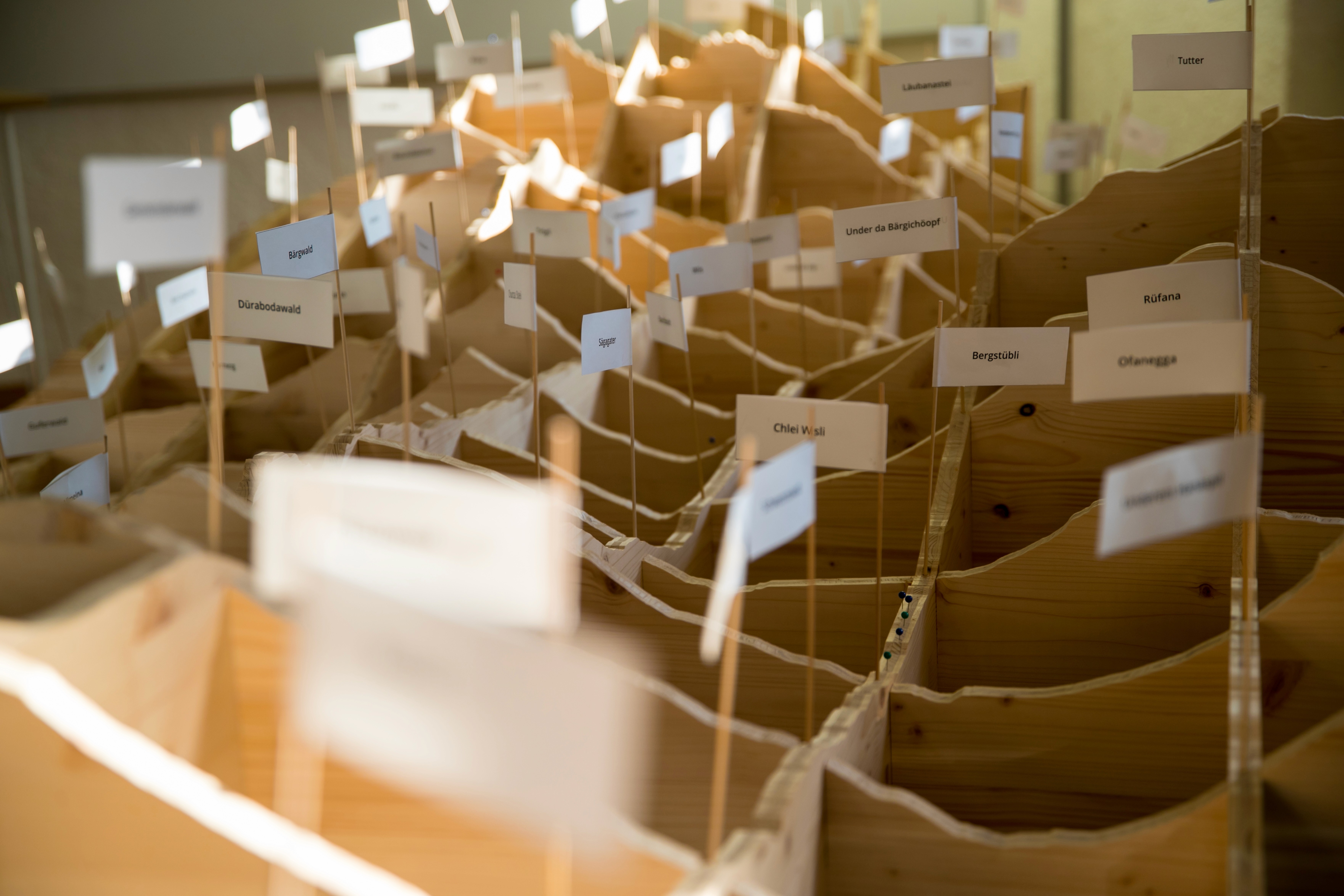
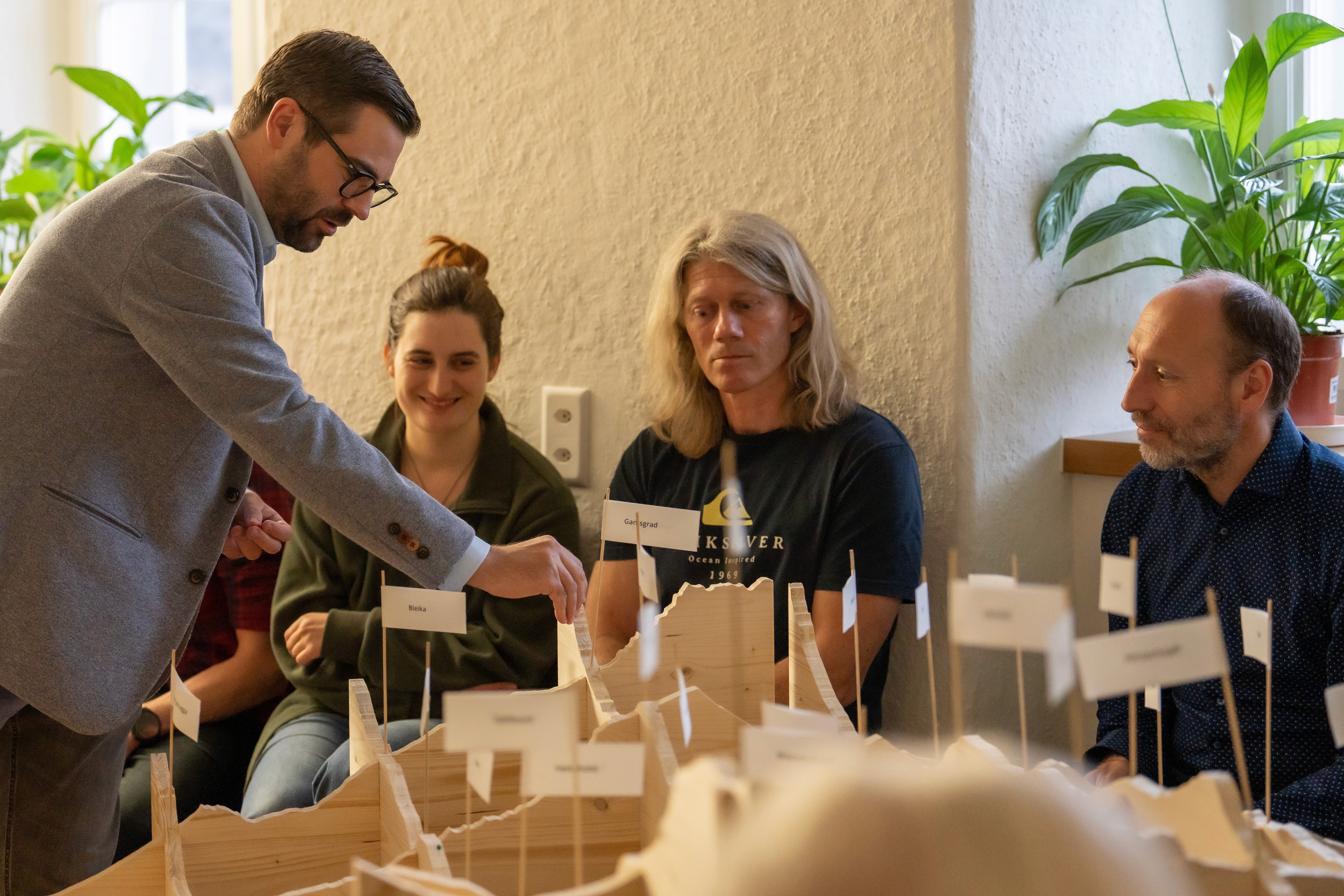
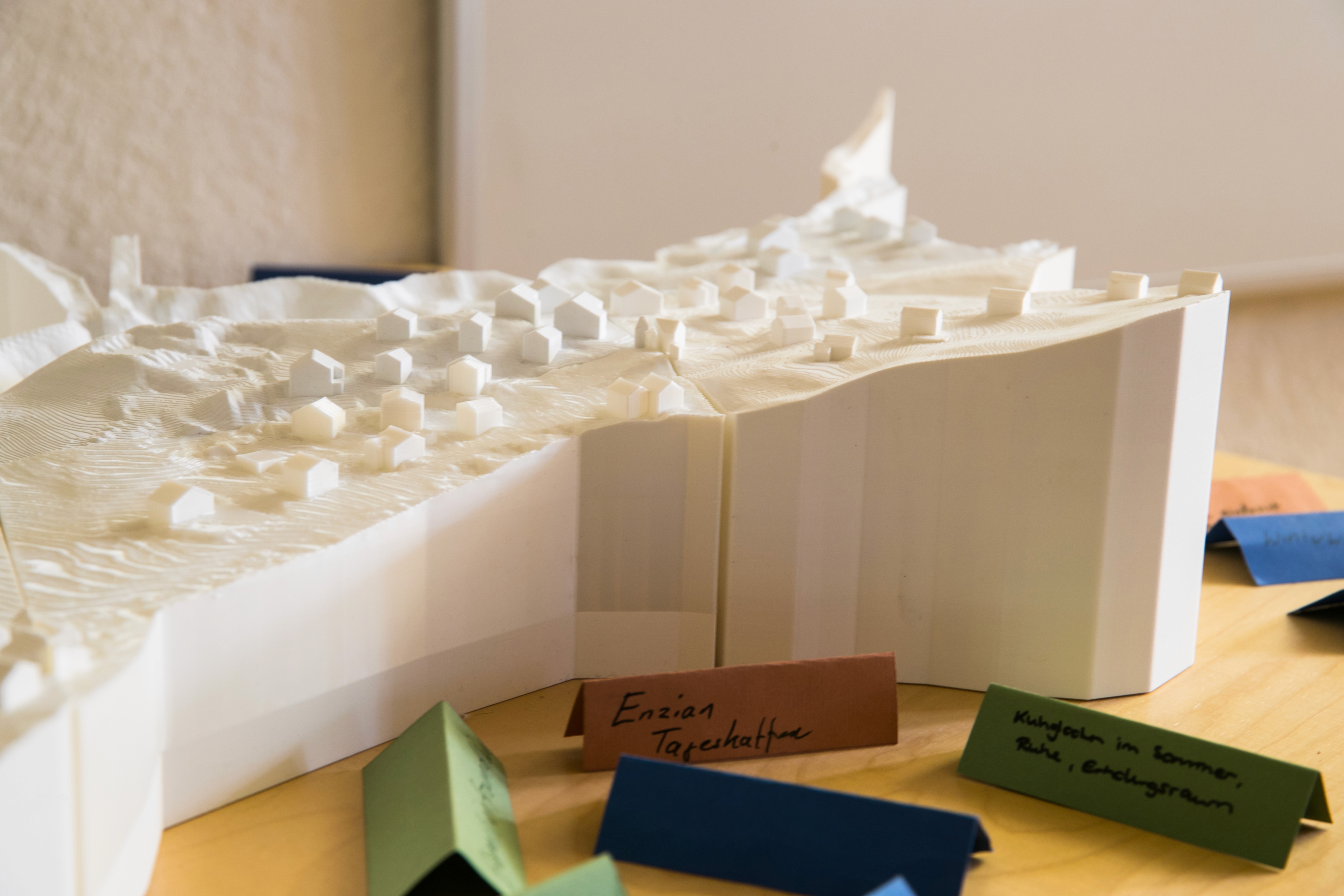
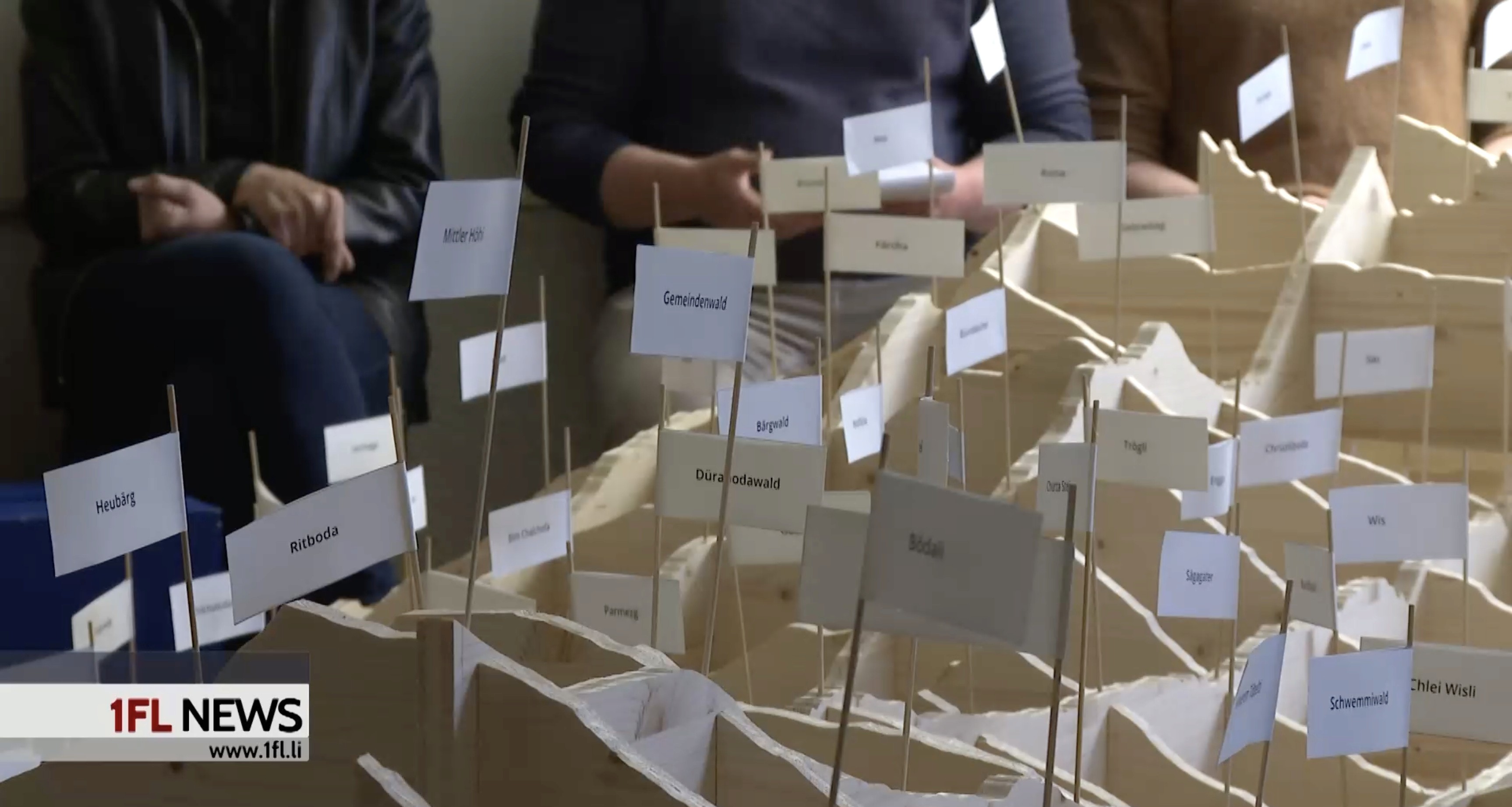
We took the ground floor of the old Rathaus as the year's Karta-Bar. One room held a large topographic model of Triesenberg, small enough that events could just barely happen around it; the other made space for larger gatherings, with rotating exhibitions on the walls.
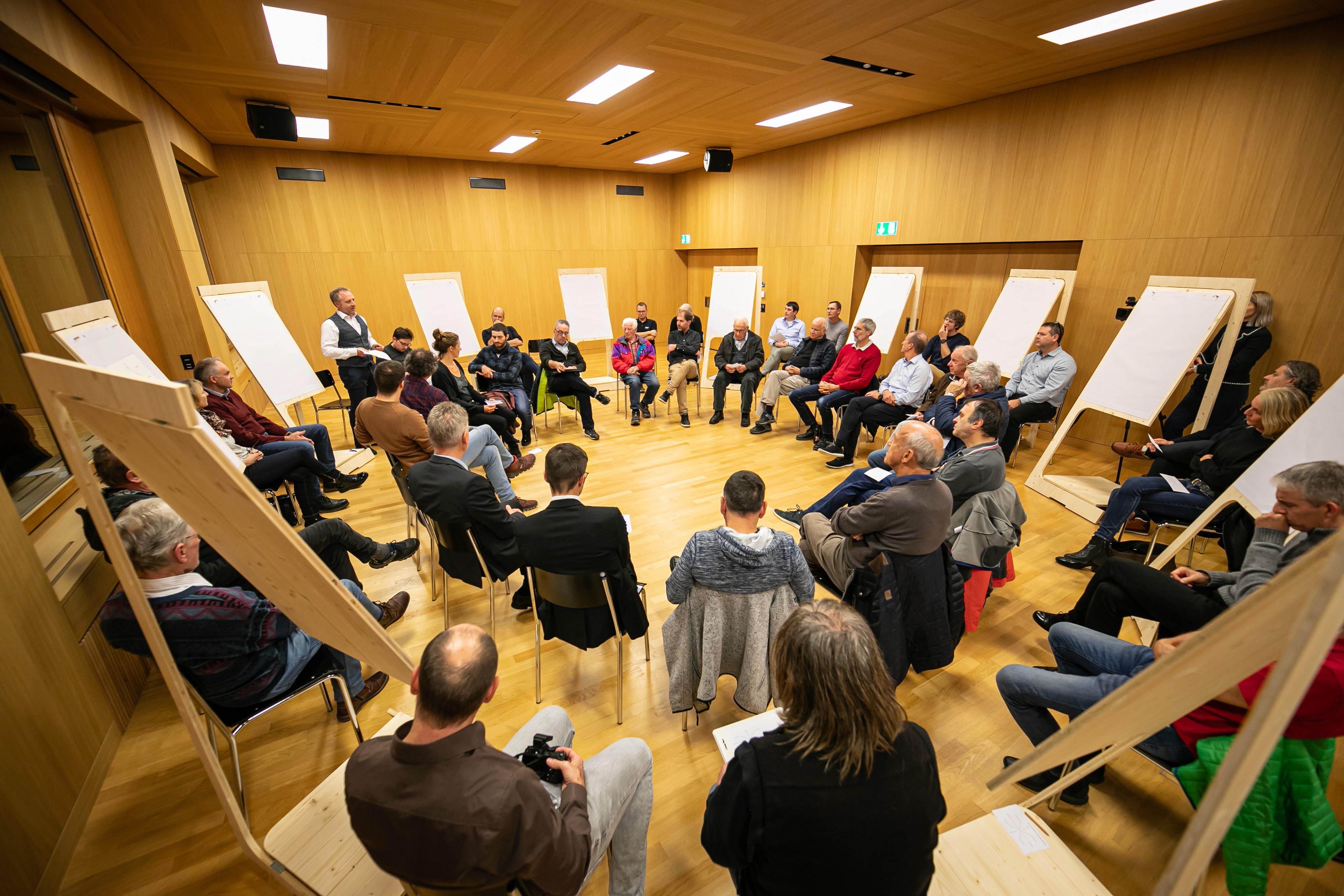
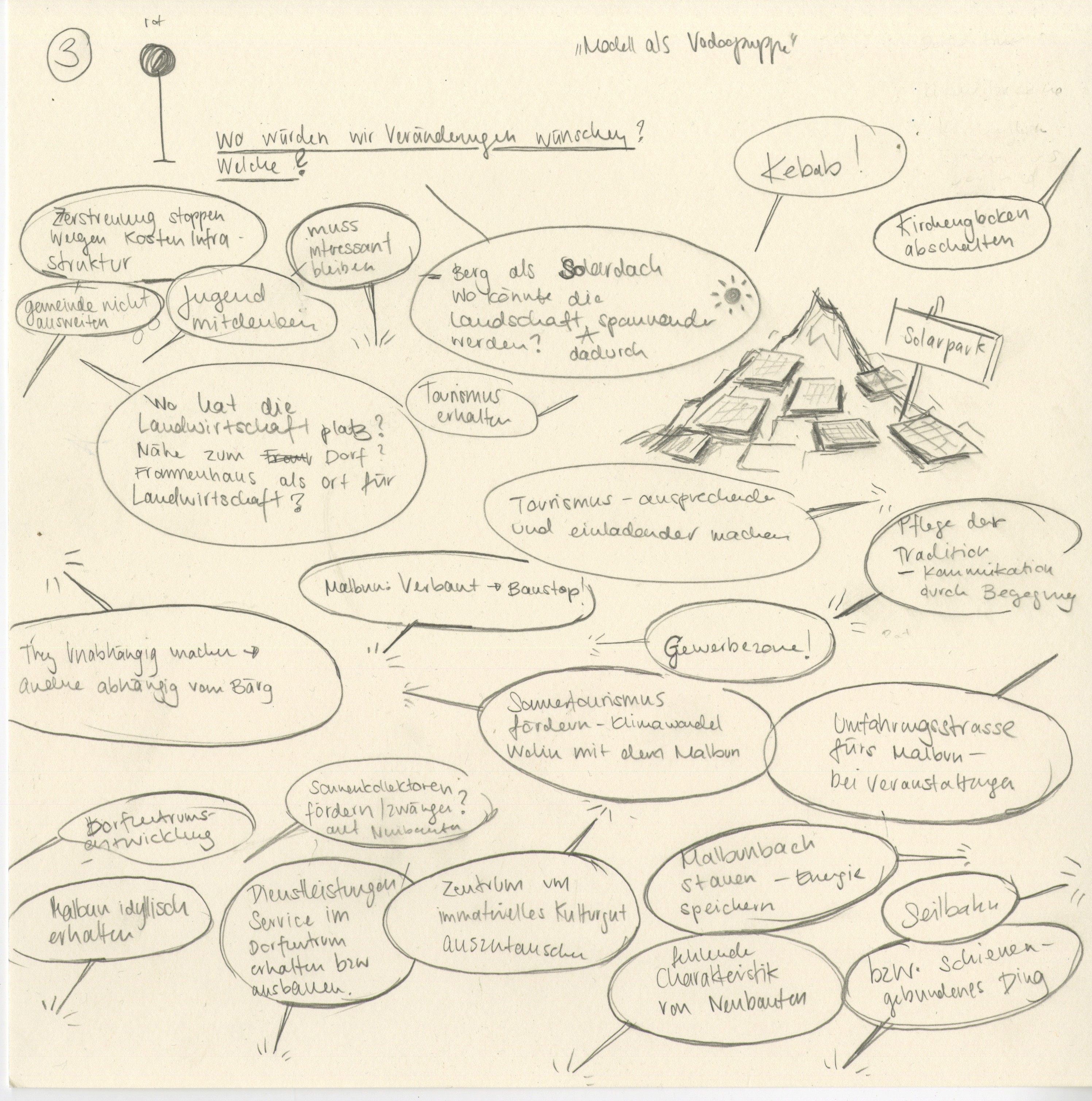
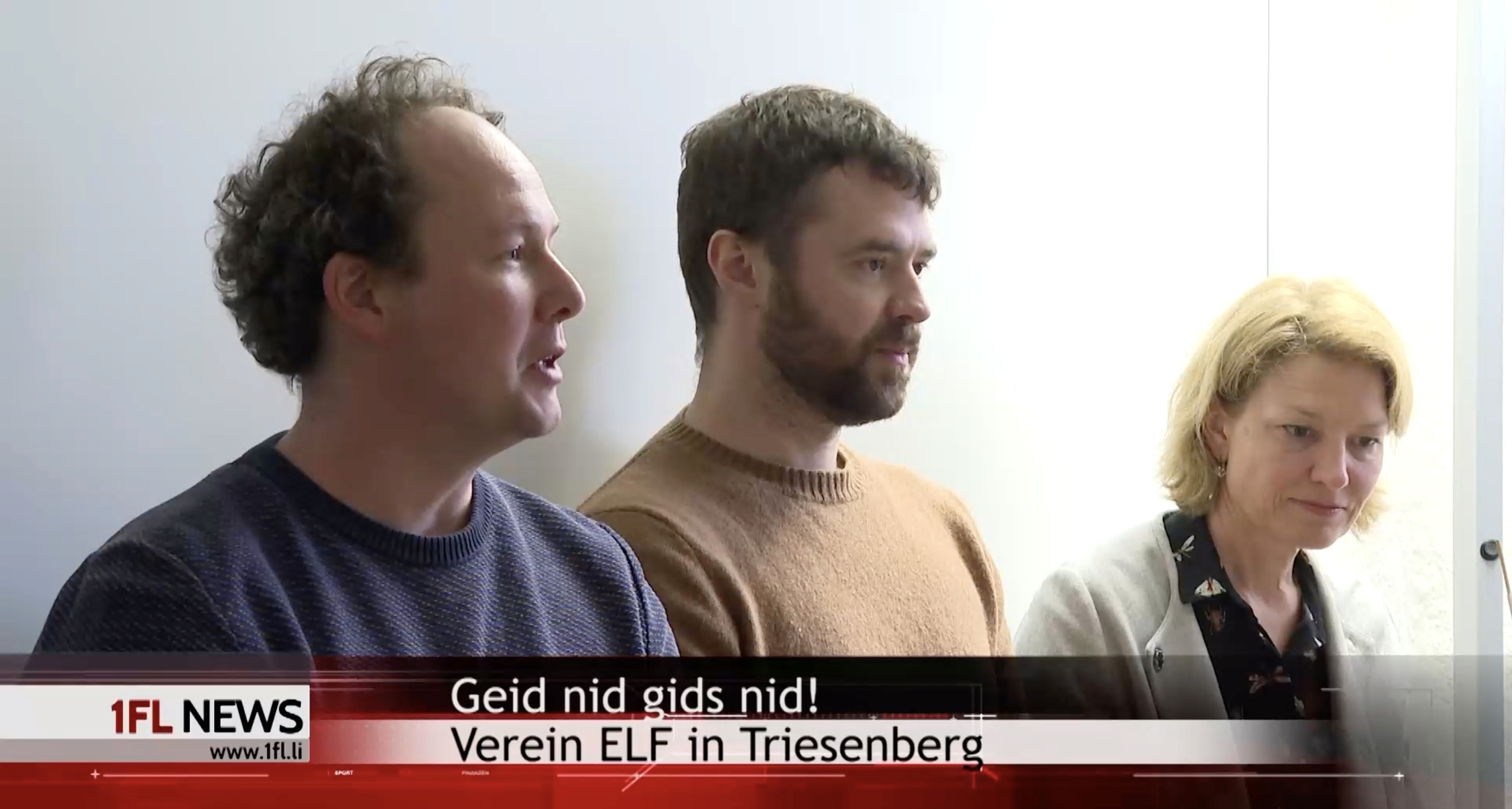
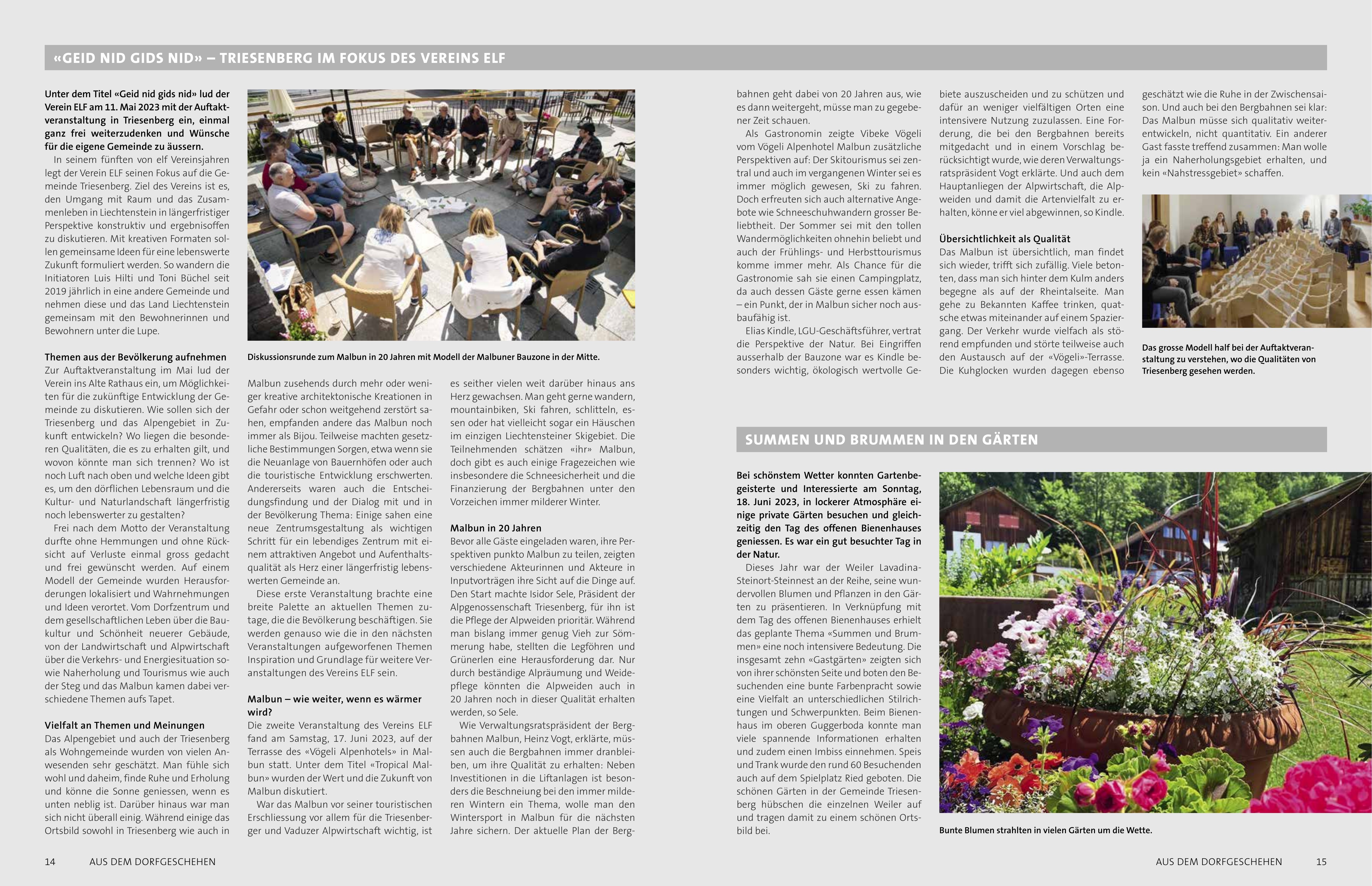
Geid nid gids nid! — Walser dialect for not possible, doesn't exist — opened the year as an open round around the model. Ideas for the next fifty years, given without filter, formed the curatorial base for everything that followed.
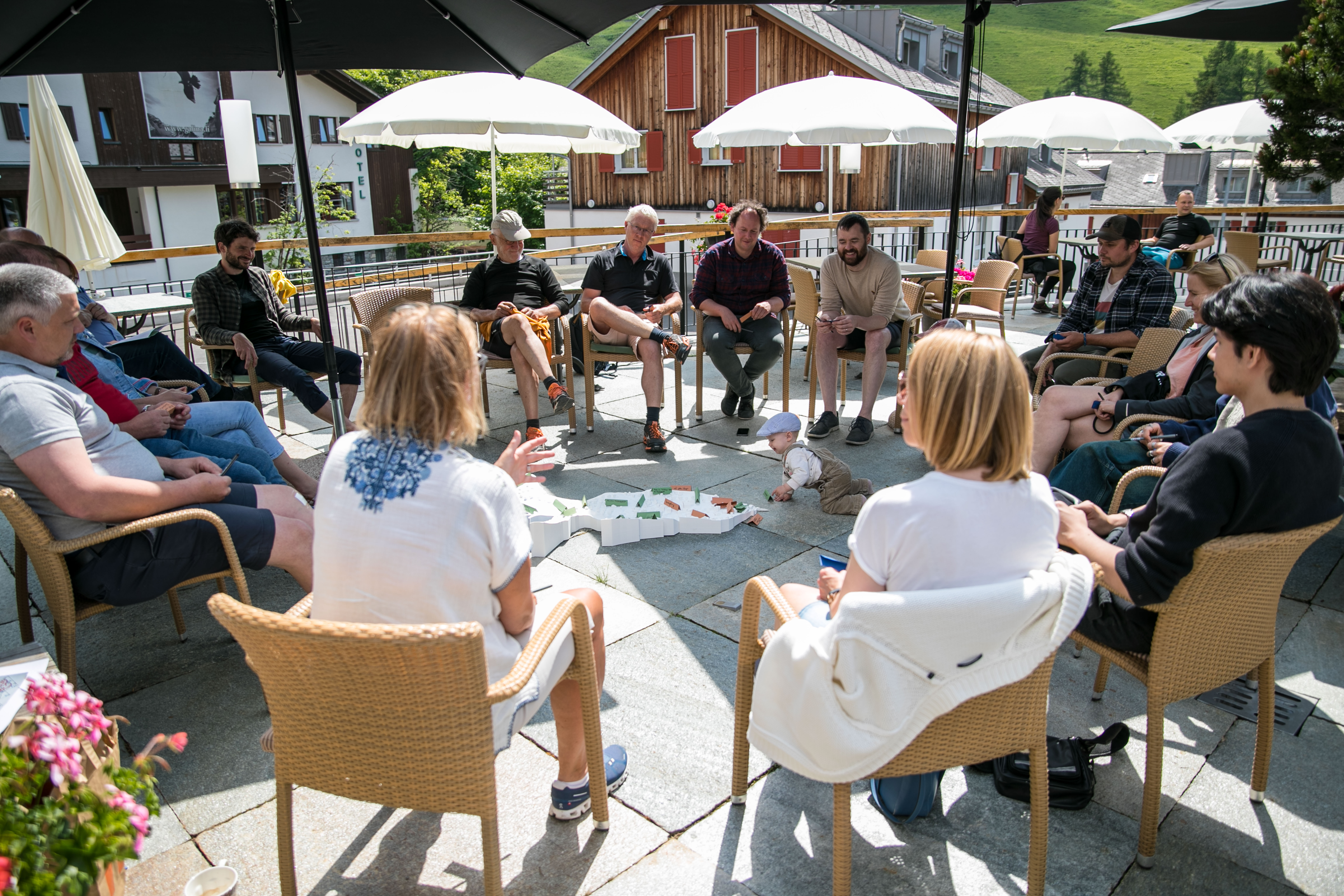
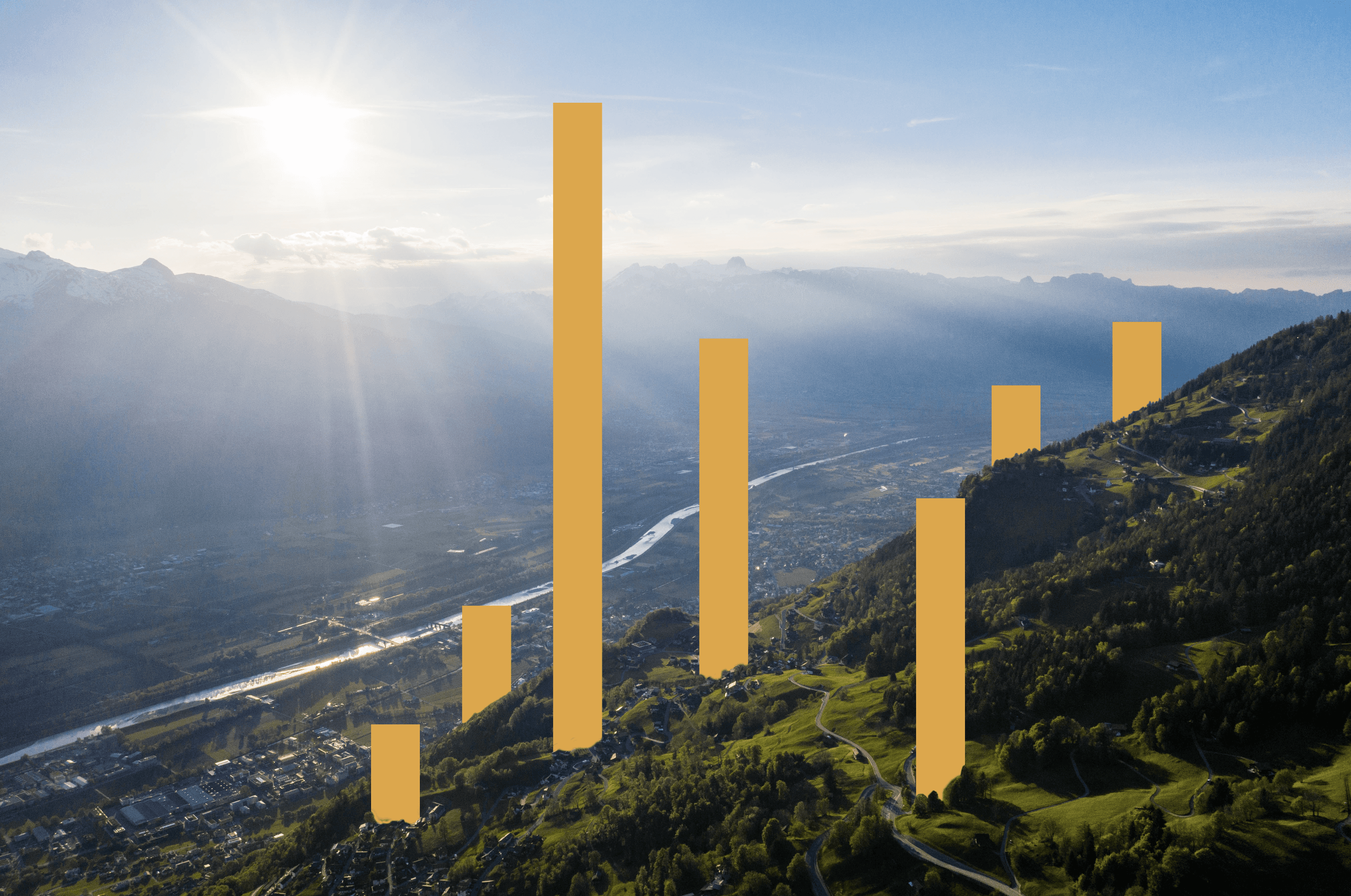
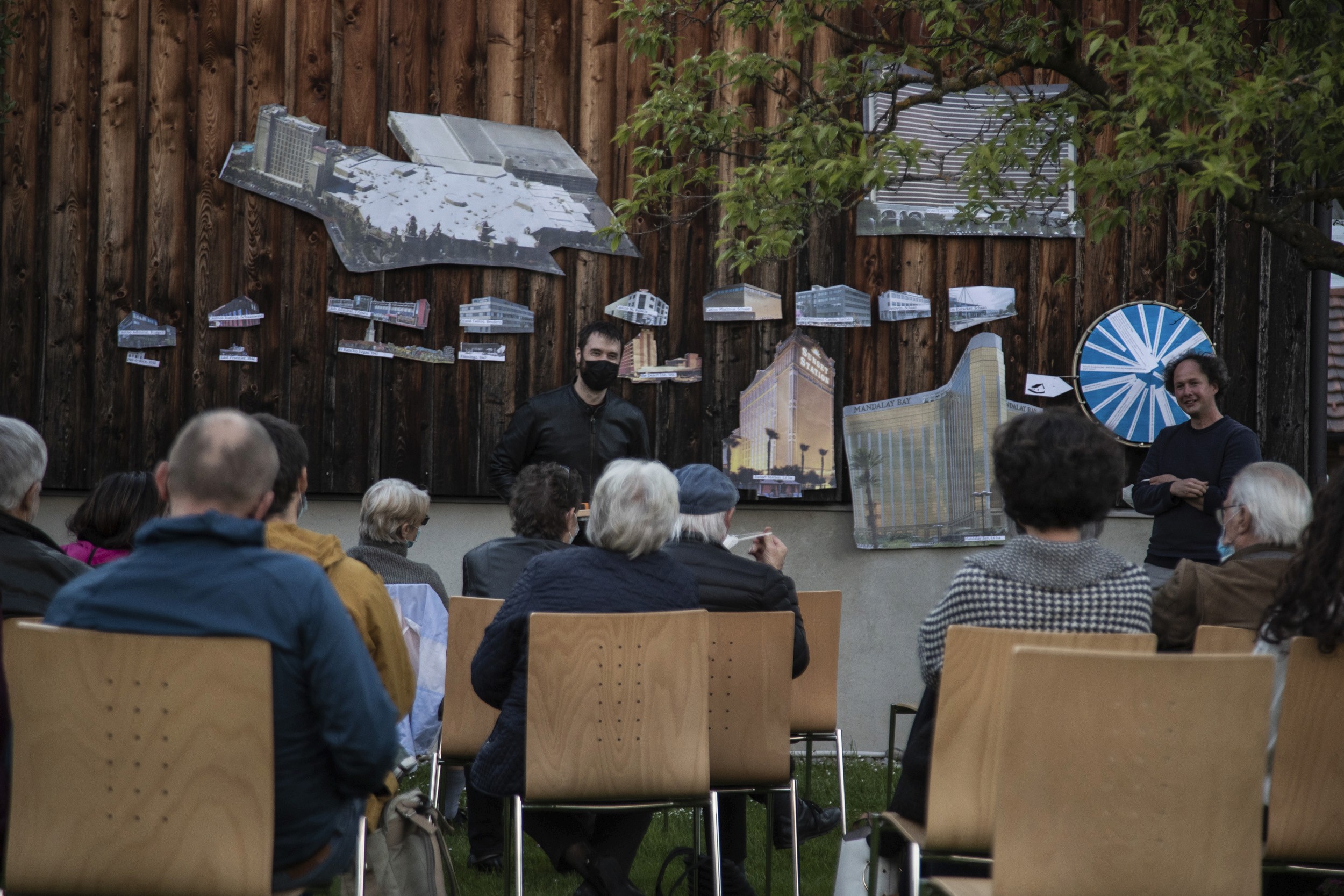
Tropical Malbun moved the Karta-Bar to the terrace of the Alpenhotel Vögeli. The title was a methodological device — a geographic entity paired with an adjective from a different climate zone — to make a question some local actors had not wanted opened (warming winters, the future of the ski area) thinkable. The pre-event reactions were sharp; the discussion itself, in the sun and with a piece of Schwarzwäldertorte, found compromises.
Berg-Tal-Bahn explored what a cable or rail connection between the valley and the mountain might do — what it would carry, what it would cost, what it might replace. The realm produced a verdict that surprised the title: for Malbun, an upgraded bus connection with parking management would do more than a new line.
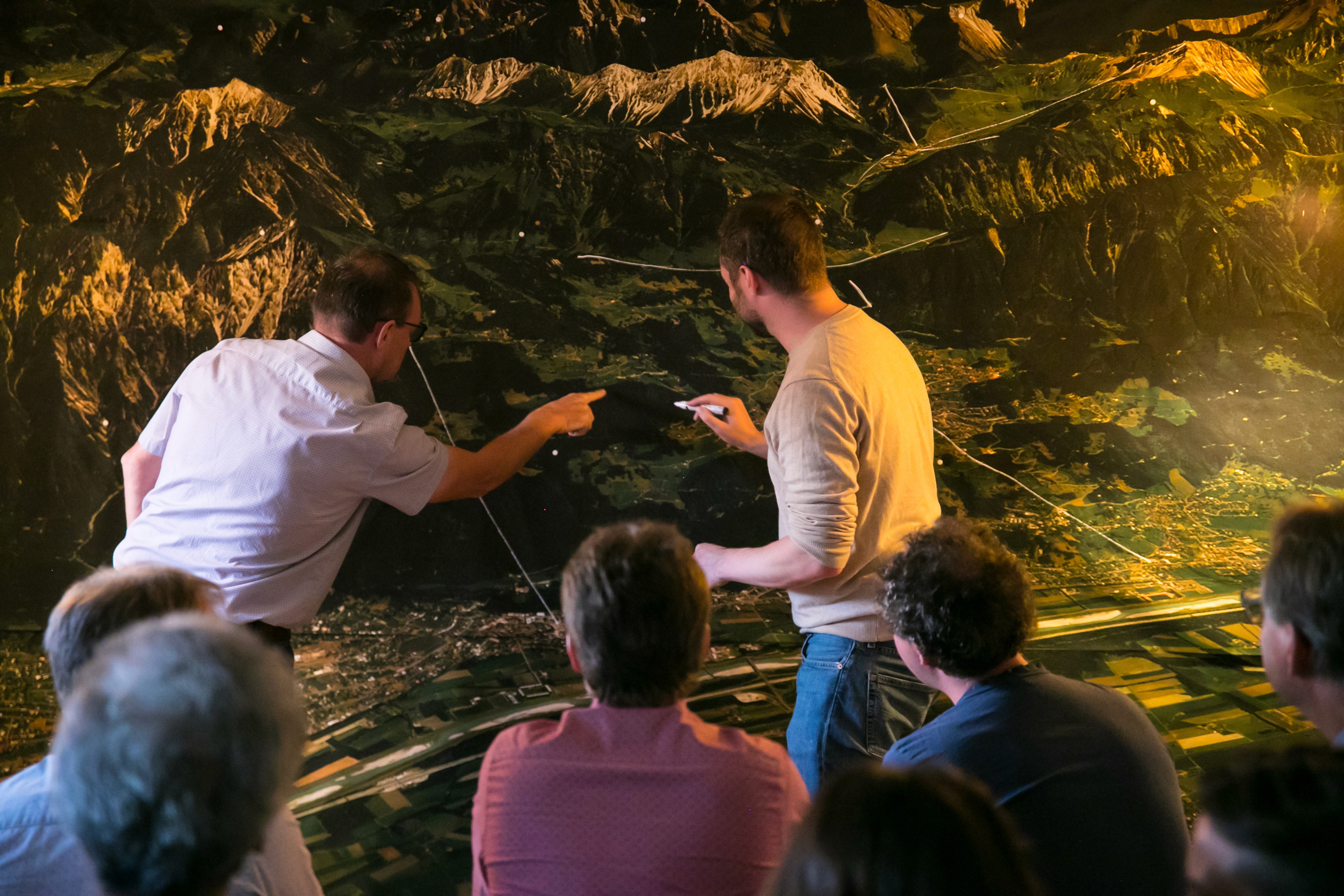
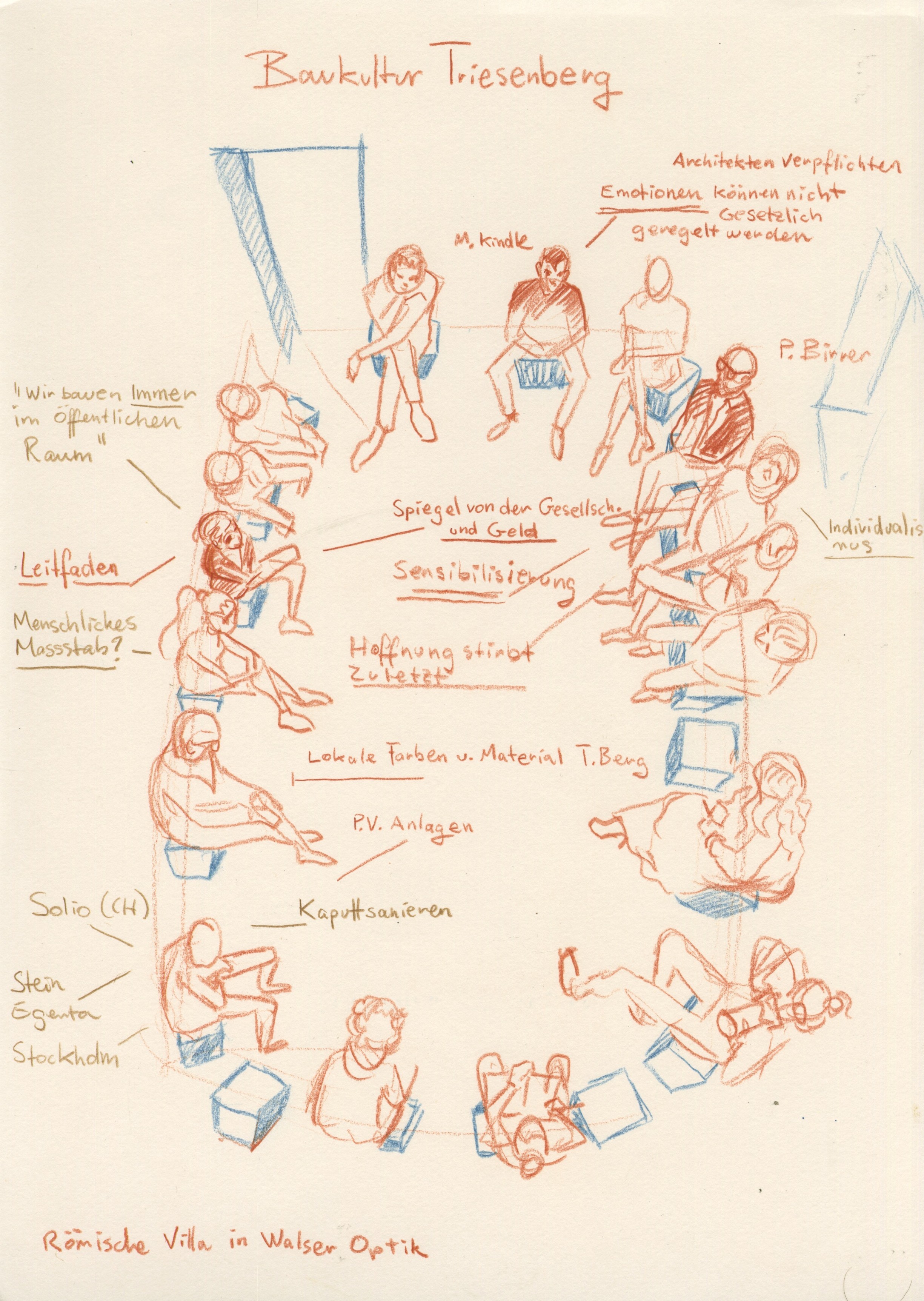
Bau...kultur? tested whether Liechtenstein has a building culture or just a cacophony of styles. The realm found that aesthetic prescription works only inside narrow zones, and that the question is finally a political one — best approached, if at all, through positive incentives rather than rule-making.
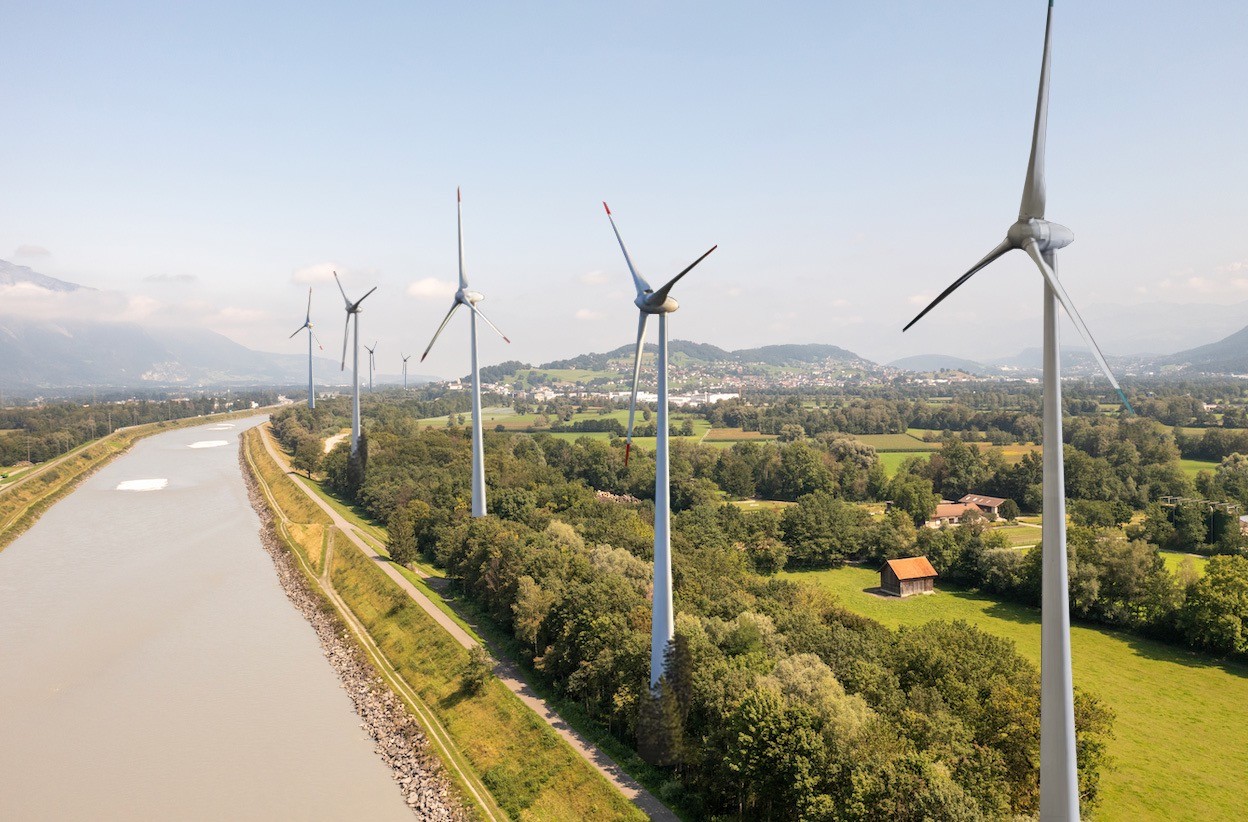
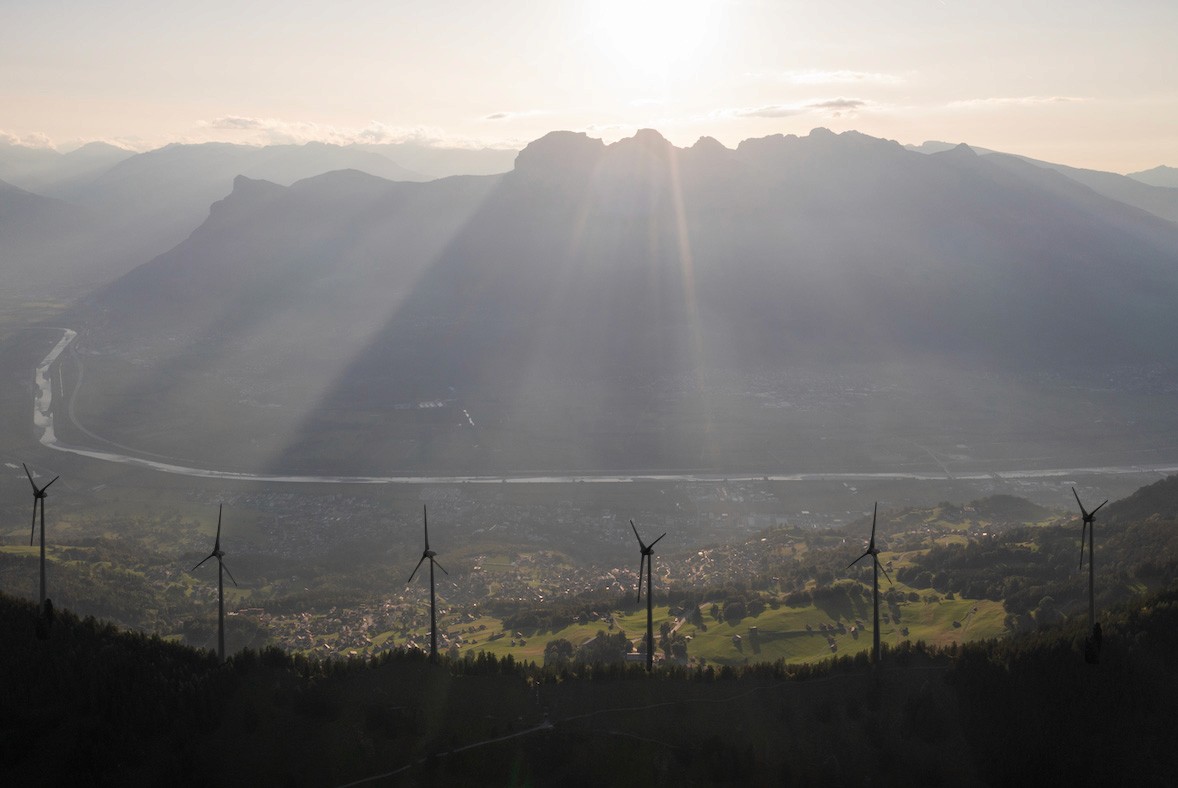
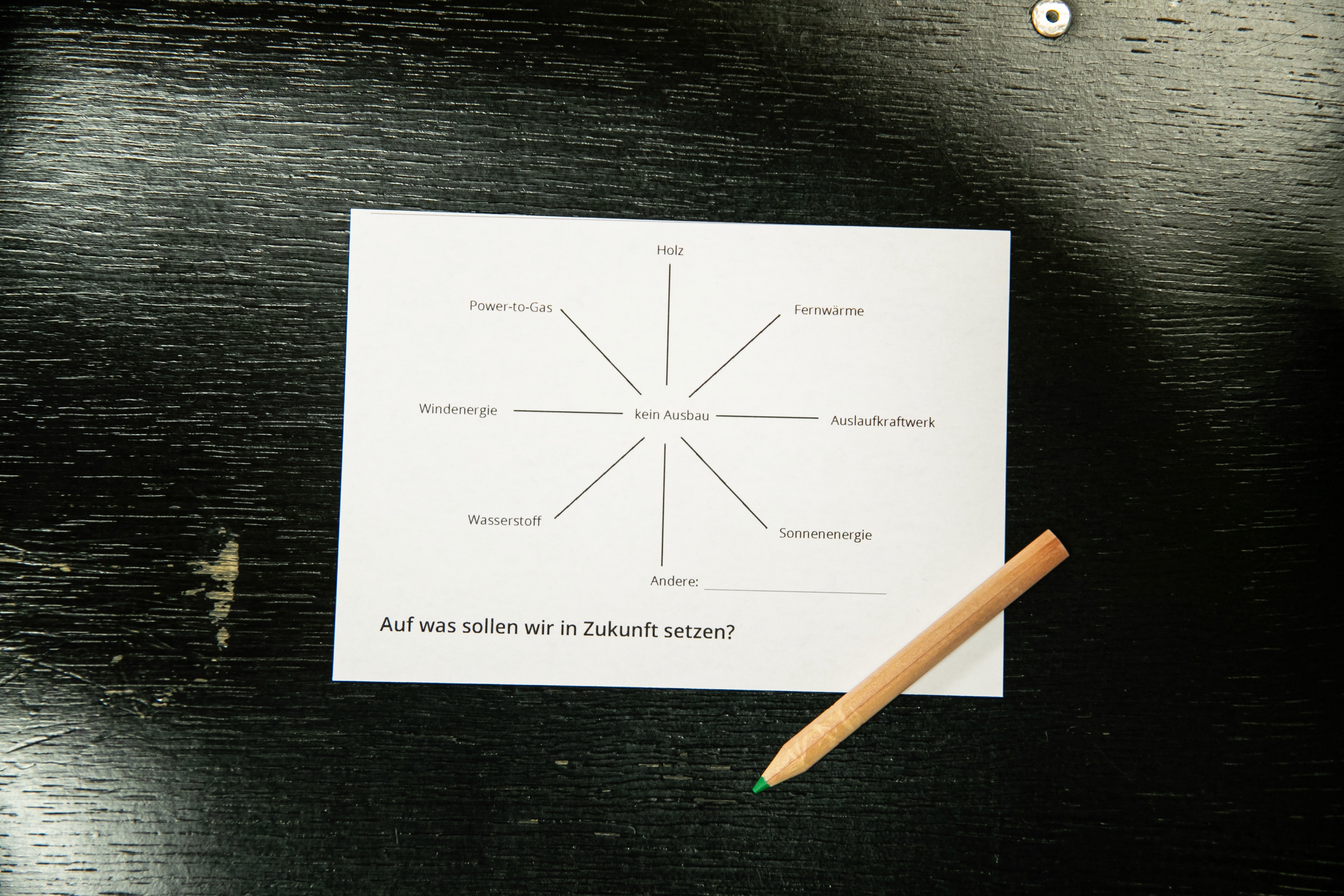
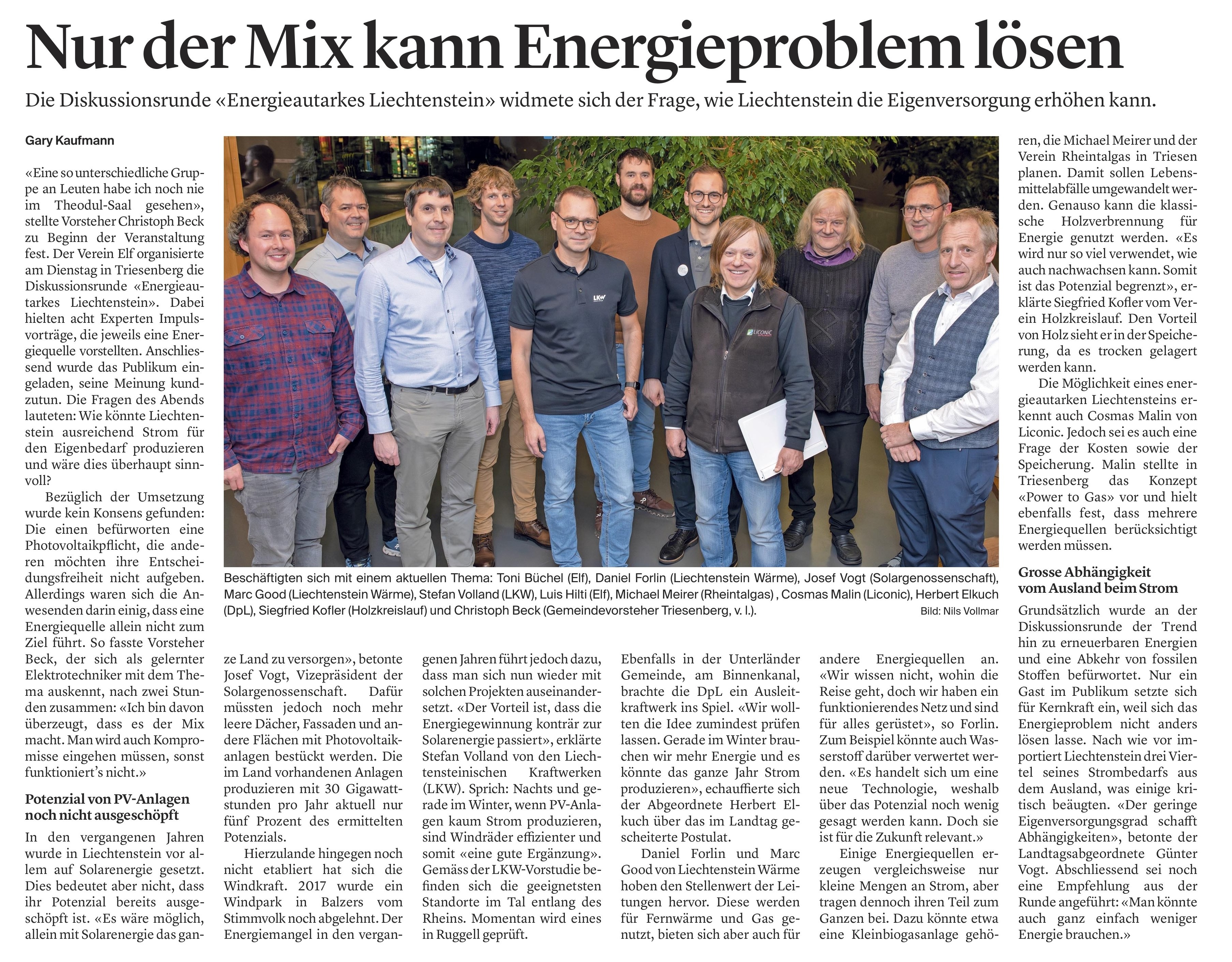
Energieautarkes Liechtenstein moved the Karta-Bar to the Theodulsaal. Energy producers across solar, wind, biomass and power-to-gas filled one of the most heavily attended evenings of the year. The consensus was that a substantial step toward energy autarky could only come from a careful weave of all of them.
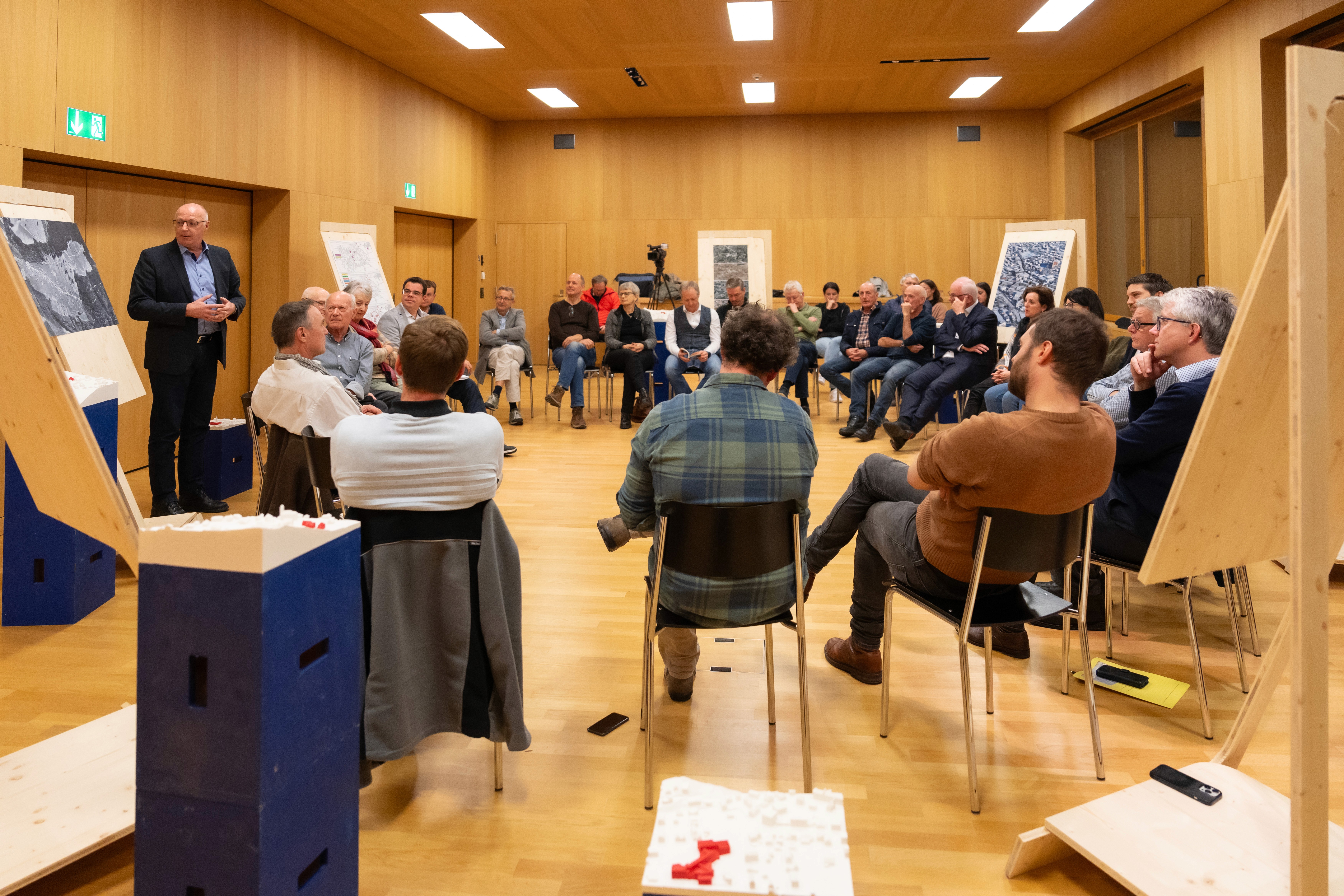
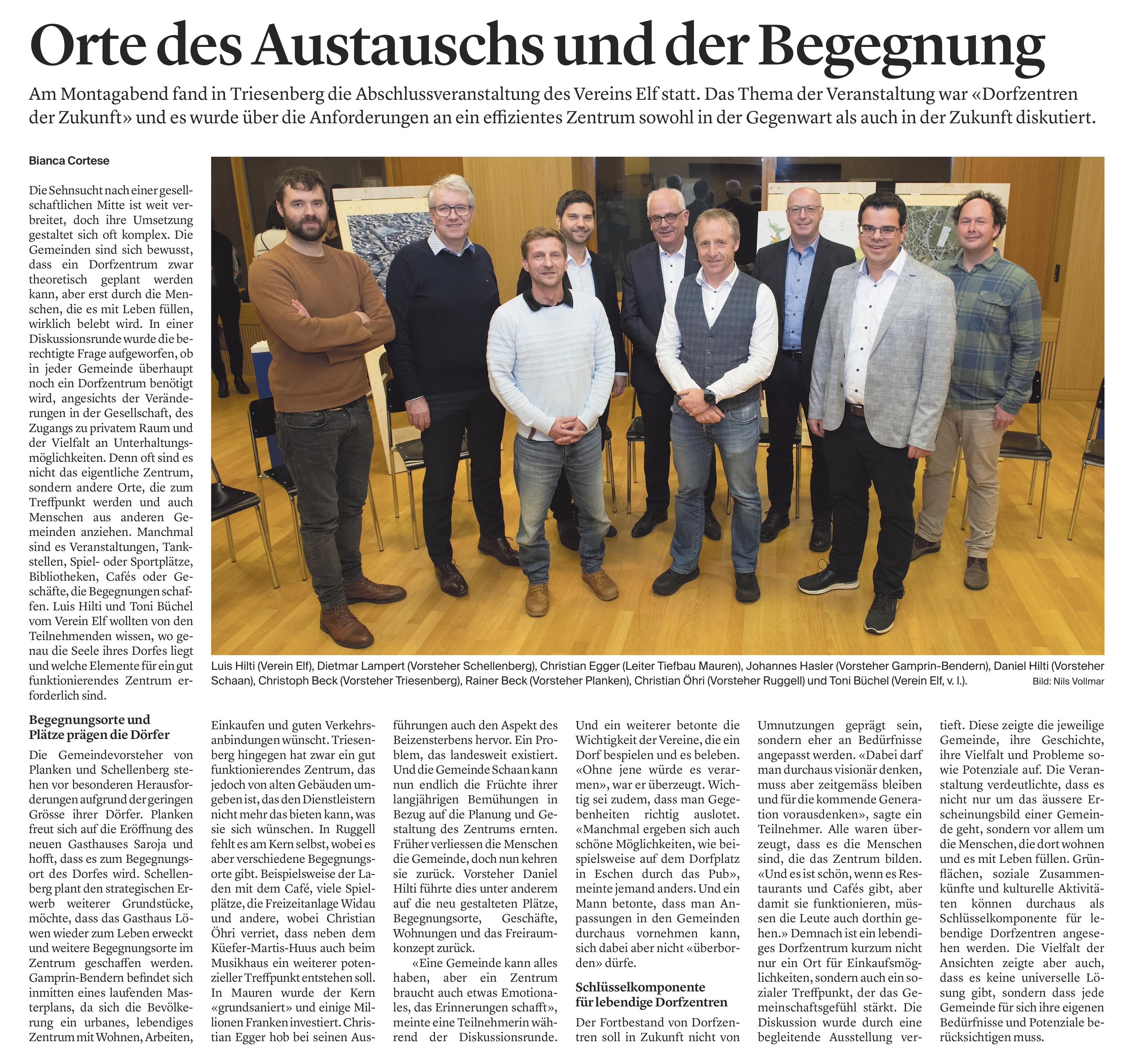
Dorfzentren closed the year in the same hall. Six village leaders and a head of public works presented where their communities meet today and where their centres should move. The realm made plain that the ideal centre varies sharply with its village.
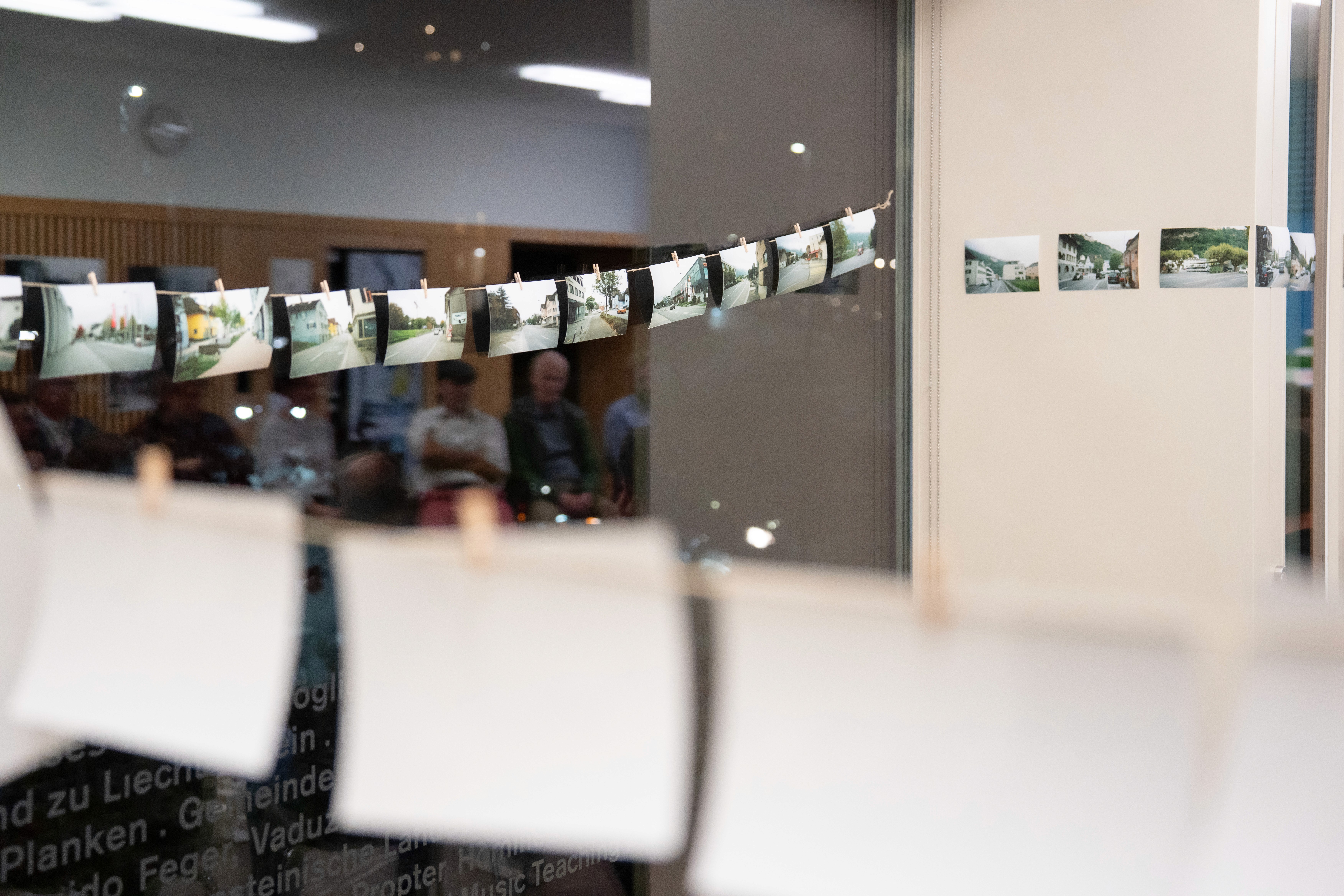
The Karta-Talks moved too. From Steinort across the Täscherloch up to the country's highest year-round residence in Malbun, and back into the village to close with a memory spanning ninety years. As a sequence, they recorded a Triesenberg in which the traditional weilers and the holiday settlements had grown, while the small sub-centres that once gave them their middles had quietly disappeared.
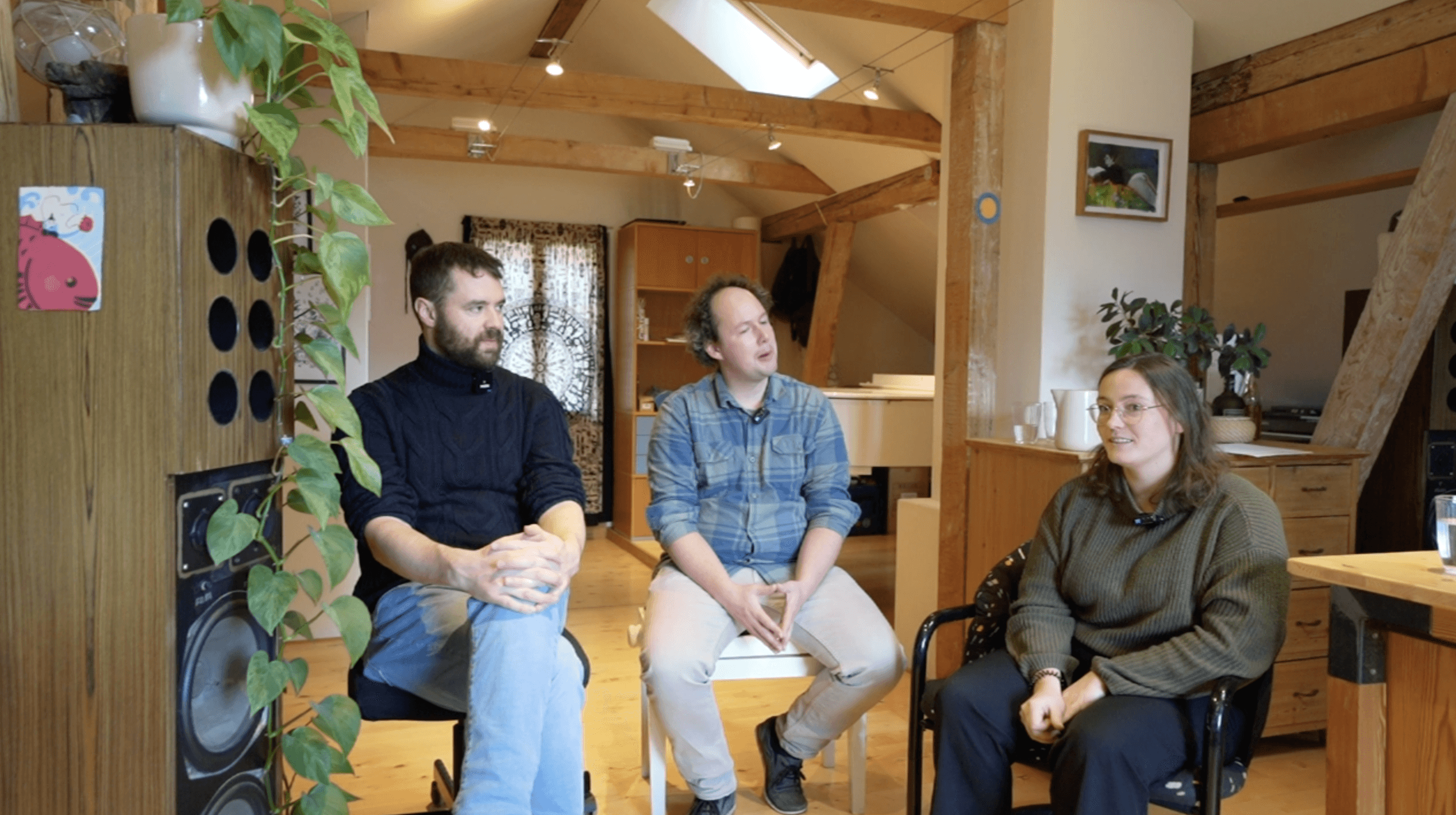
At the end of the year, ELF reached its halftime — five of eleven municipalities behind us, six ahead. The laboratory had accumulated forty-five realms across five villages; some of the formats had begun to ossify. We set aside the next year as a Halb ELF — to step out of the rhythm before re-entering it. By the end of Triesenberg, the experiment had become old enough to have to question itself.
Presse
Collagen